




Thé printanier Wild Purple Bud
Secure checkout · Carefully packed · Free shipping over $99 · 30-day returns

Frequently Bought Together
Description
- Traduction : Yunnan Ancient Tree Wild Purple Bud Raw Tea
- Type : Sheng Puerh
- Cépage : Puerh
- Origine : Lincang, Yunnan
- Date de récolte : 07/04/2022
- Méthodes de stockage : Propre, ventilé, à l'abri du soleil, sec, sans odeur particulière, sans pollution
- Purple Bud Bud - le type de thé Pu'er le plus rare, c'est aussi un vieux thé Pu'er d'arbre sauvage qui a germé et cueilli plus tôt sur le marché.
- L'apparence et le goût sont assez spéciaux.
- Certaines personnes décrivent ce thé comme ayant un parfum délicat, un léger parfum floral et fruité et une odeur naturelle de montagne.
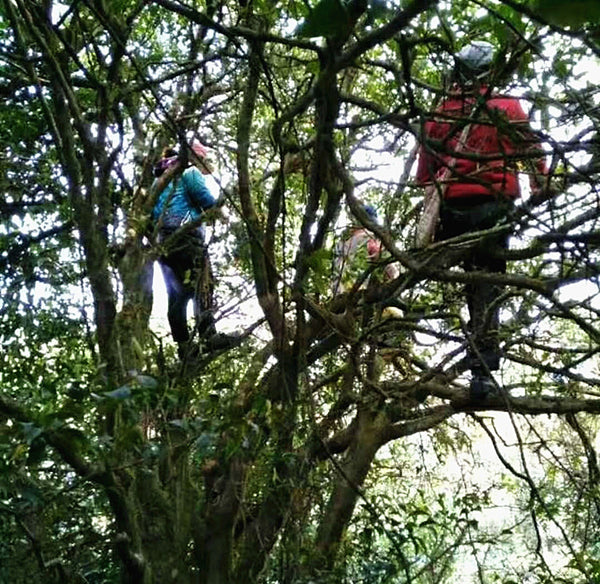
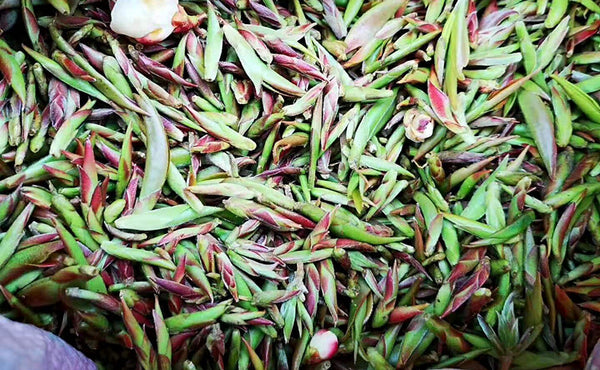
Purple Bud est une variété spéciale produite par l'automutation d'arbres à thé en croissance dans des conditions environnementales naturelles particulières.
Les spores pourpres sauvages ont de très faibles rendements.
Cueilli à partir de thé sauvage, forêt vierge, de mars à avril, une fois par an, au parfum de fleurs sauvages de montagne, le thé est dominateur.
L'arôme est unique et la soupe au thé est forte.
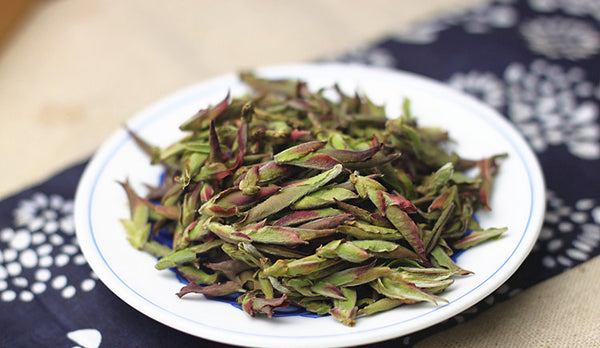
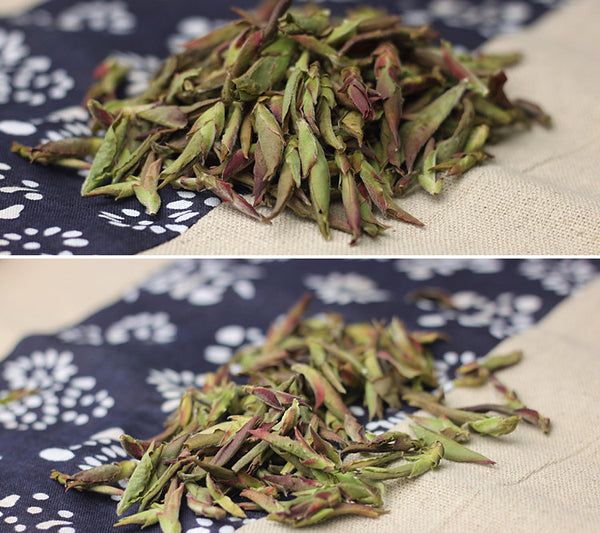
Thé printanier Wild Purple Bud
$19.27
25,0 G
Frequently Asked Questions
I’ve tried other Yunnan black teas that tasted burnt, smoky, or overly bitter. How is this different?
That’s a common experience with machine-dried or heavily roasted black teas. Our tea uses the traditional Sun-Dried Wild Black Tea (Shai Hong) method. Instead of high-temperature roasting, we dry the leaves slowly under the spring sun. This preserves the natural sugars and enzymes, resulting in a brew that is naturally sweet, smooth, and completely free of any burnt or bitter notes. The ancient tree material also contributes to a naturally balanced profile that young plantation tea lacks.
Why is this tea more expensive than standard black tea bags?
The difference lies in origin, rarity, and craftsmanship. These leaves come from 500-year-old trees growing wild in the remote Da Xue Shan mountains—not from flat, easily accessible plantations. Harvesting requires skilled climbers who risk steep terrain to pick only once a year. Additionally, the Sun-Dried Wild Ancient Tree Black Tea process is labor-intensive and yields far less per tree than conventional methods. When you factor in the ability to steep over 8 times, the cost per cup is actually highly competitive with premium loose-leaf teas, while offering a depth of flavor that bagged tea simply cannot match.
How can I be sure this is genuine ancient tree tea from Fengqing?
Fengqing is globally recognized as the “Hometown of Ancient Tea Trees,” home to the oldest cultivated tea trees in the world. Our supply chain is direct from small-scale ethnic-minority pickers in the Fengqing area. You can see authenticity in the dry leaves themselves: the presence of immature burgundy-red leaves alongside dark brown twisted strips is a hallmark of genuine Ancient Wild Tree Black Tea from Yunnan. The flavor—thick, honeyed, with a cool mineral finish—is unmistakable and cannot be replicated by plantation teas.
The tea I received has some red leaves mixed in. Is that a defect?
Not at all—it’s a sign of superior quality. The red leaves are a natural occurrence in wild arbor teas, often from purple varietal buds or immature leaves that oxidize differently. This is a signature of Wild Tree Purple Varietal Black Tea and indicates that the tea is unblended, unprocessed, and true to its forest origins. Mass-market black teas are usually uniform in color due to heavy roasting and blending; the natural variation in our tea is a mark of its authenticity.
Does this tea stay fresh over time? How should I store it?
Because it is sun-dried rather than fully roasted, this Chinese Loose Leaf Tea has mild aging potential. If stored in a cool, dry place away from sunlight and strong odors (preferably in a sealed tin or ceramic jar), the flavors will remain vibrant for 2–3 years. Some connoisseurs even enjoy the subtle transformation that occurs over time, as the tea becomes rounder and more honeyed with gentle oxidation.
What makes Sun-dried Black Tea from Yunnan unique compared to other black teas?
This Sun-dried Black Tea is crafted from ancient wild trees in Yunnan's primal forests, using traditional sun-drying methods that preserve its natural sweetness and complex flavor profile. Its unique origin and traditional process give it a distinct taste and aging potential.
How is the Sun-dried Black Tea harvested and processed?
The tea is hand-plucked from over 500-year-old wild arbors located in difficult terrains of Fengqing, Yunnan. After gentle withering and rolling, the leaves are sun-dried using the traditional Shai Hong method, which maintains enzyme activity and preserves the tea's natural flavors.
What flavors should I expect when drinking Sun-dried Black Tea?
This tea offers a rich, sweet taste with notes of ripe lychee, dried longan, and osmanthus blossom, complemented by a wild, mineral finish. Its complex flavor develops over multiple infusions, providing a deep, layered tasting experience.
How many times can I brew this Sun-dried Black Tea?
Thanks to the dense cellular structure of the old-growth leaves, this tea is suitable for at least 8 to 10 infusions. Each steep reveals different nuances, making it ideal for Gongfu style brewing or multiple brewings in a teapot.
How should I store Sun-dried Black Tea to maintain its quality?
Store the tea in a clean, ventilated place away from sunlight, moisture, and strong odors. Proper storage keeps the tea's natural qualities intact and allows it to age gracefully, enhancing its flavor over time.
