




Thé printanier Wild Purple Bud
Secure checkout · Carefully packed · Free shipping over $99 · 30-day returns

Frequently Bought Together
Description
- Traduction : Yunnan Ancient Tree Wild Purple Bud Raw Tea
- Type : Sheng Puerh
- Cépage : Puerh
- Origine : Lincang, Yunnan
- Date de récolte : 07/04/2022
- Méthodes de stockage : Propre, ventilé, à l'abri du soleil, sec, sans odeur particulière, sans pollution
- Purple Bud Bud - le type de thé Pu'er le plus rare, c'est aussi un vieux thé Pu'er d'arbre sauvage qui a germé et cueilli plus tôt sur le marché.
- L'apparence et le goût sont assez spéciaux.
- Certaines personnes décrivent ce thé comme ayant un parfum délicat, un léger parfum floral et fruité et une odeur naturelle de montagne.
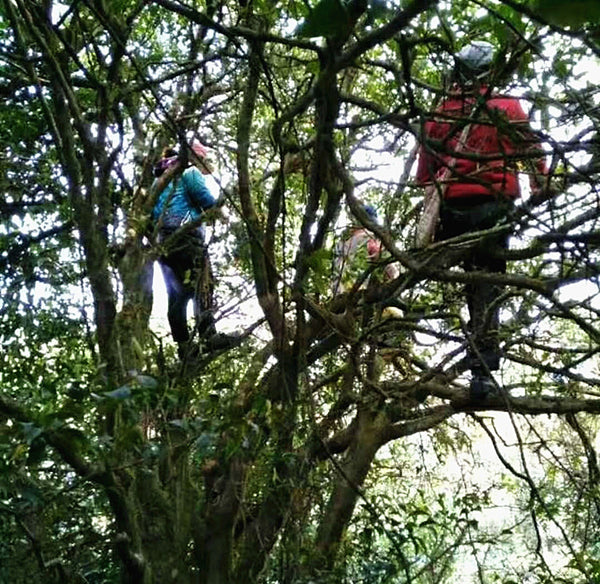
Purple Bud est une variété spéciale produite par l'automutation d'arbres à thé en croissance dans des conditions environnementales naturelles particulières.
Les spores pourpres sauvages ont de très faibles rendements.
Cueilli à partir de thé sauvage, forêt vierge, de mars à avril, une fois par an, au parfum de fleurs sauvages de montagne, le thé est dominateur.
L'arôme est unique et la soupe au thé est forte.
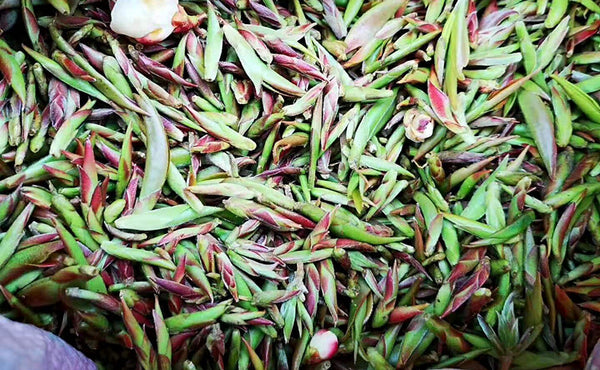
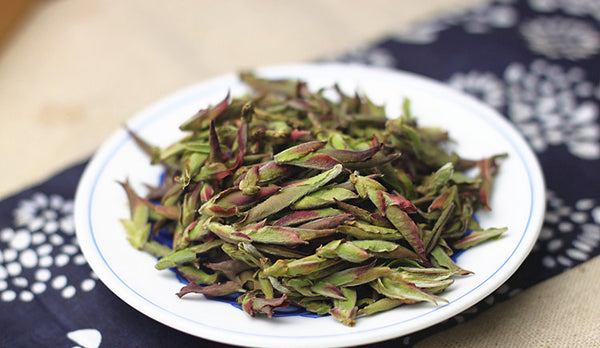
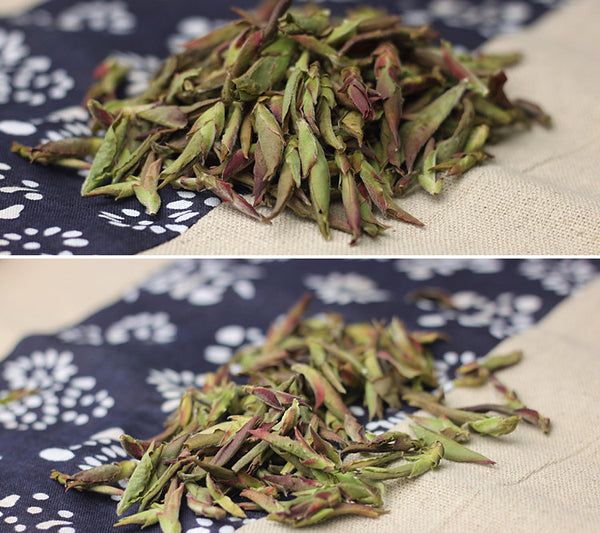
Thé printanier Wild Purple Bud
$19.78
25,0 G
Frequently Asked Questions
Why Tea Connoisseurs Are Talking About Purple Bud Tea?
Unlike the bold, earthy notes of aged Pu-erh, these Wild Yunnan Buds offer a delicate and refined profile. Because they are harvested as the buds first awaken in Spring, they possess a remarkable sweetness and softness that is highly sought after by collectors.
Why are some of the buds not entirely purple? I see "Yellow Buds."
Excellent observation! The color can vary slightly based on the exact micro-climate and the specific wild tea tree (remember, these are naturally occurring, not farmed clones). Some buds may be deeply purple, while others might appear as "Yellow Buds" or a mix of green and gold. This variance is actually a hallmark of a truly wild, non-cultivated harvest. It proves that you are getting a raw, natural product straight from the high-altitude forests, rather than a farm-standardized product. The flavor consistency—that sweet, floral magic—remains the hallmark of the "Purple Bud" experience.
What does it taste like? I heard it tastes like gingerbread?
It’s truly unique. The moment the hot water hits the buds, you get an incredible aroma of wildflower honey and a hint of spicy ginger. The taste, however, is incredibly clean. There is a distinct note of fresh pine and a finish that tea drinkers often describe as a "marshmallow sweetness" or the cooling sensation of licking a smooth, wet river stone. It’s purely natural—no additives, just the magic of the old trees
What makes Wild Purple Bud spring tea so unique compared to other teas?
Wild Purple Bud spring tea is renowned for its rare purple buds, natural mutation, and high anthocyanin content, giving it a distinctive color and delicate flavor that connoisseurs highly value.
How should I store Wild Purple Bud tea to maintain its quality?
To keep Wild Purple Bud tea fresh, store it in a clean, ventilated place away from sunlight, in a dry area without peculiar smells or pollution.
What are the flavor characteristics of Wild Purple Bud tea?
This tea features a fresh aroma of honeydew, cucumbers, and wildflowers, with a naturally sweet, mellow taste, floral notes, and a juicy aftertaste that enhances the drinking experience.
When is the best time to harvest Wild Purple Bud tea?
Wild Purple Bud tea is harvested once a year from March to April, when the wild mountain flowers and natural environment contribute to its unique fragrance and flavor.
Why is Wild Purple Bud tea considered a rare and prized tea among tea lovers?
Due to its limited harvesting window, rarity of wild tea trees, and special natural environment, Wild Purple Bud tea is produced in small quantities, making it highly sought-after by connoisseurs.
