




Wild Purple Bud Frühlingstee
Secure checkout · Carefully packed · Free shipping over $99 · 30-day returns

Frequently Bought Together
Description
- Übersetzung: Yunnan Ancient Tree Wild Purple Bud Roher Tee
- Typ: Sheng Puerh
- Sorte: Puerh
- Herkunft: Lincang, Yunnan
- Erntedatum: 07.04.2022
- Lagerungsmethoden: Sauber, belüftet, vor Sonnenlicht geschützt, trocken, ohne eigenartigen Geruch, ohne Verschmutzung
- Purple Bud Bud - die seltenste Art von Pu'er-Tee, es ist auch ein wilder alter Baum-Pu'er-Tee, der früher auf dem Markt gesprossen und gepflückt wurde.
- Sowohl das Aussehen als auch der Geschmack sind etwas ganz Besonderes.
- Einige Leute beschreiben diesen Tee als einen zarten Duft, einen schwachen blumigen und fruchtigen Duft und einen natürlichen Berggeruch.
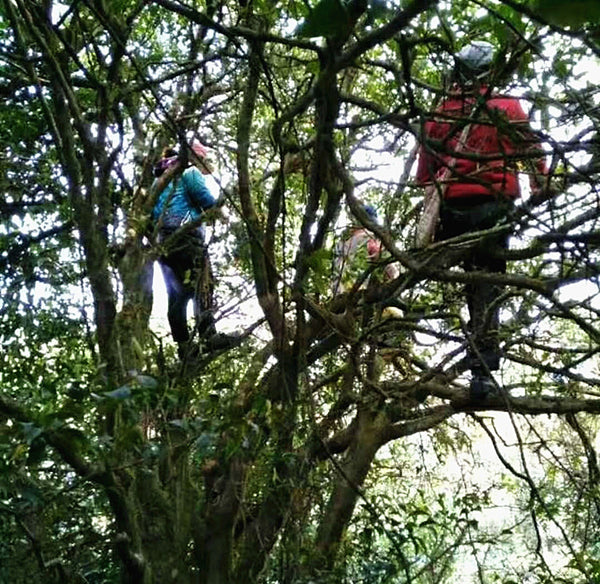
Purple Bud ist eine besondere Sorte, die durch die Selbstmutation von Teebäumen in wachsendem Zustand unter besonderen natürlichen Umweltbedingungen hergestellt wird.
Wilde lila Sporen haben sehr geringe Erträge.
Gepflückt aus wildem Tee, Urwald, von März bis April, einmal im Jahr, der Duft wilder Bergblumen, der Tee ist herrschsüchtig.
Das Aroma ist einzigartig und die Teesuppe ist stark.
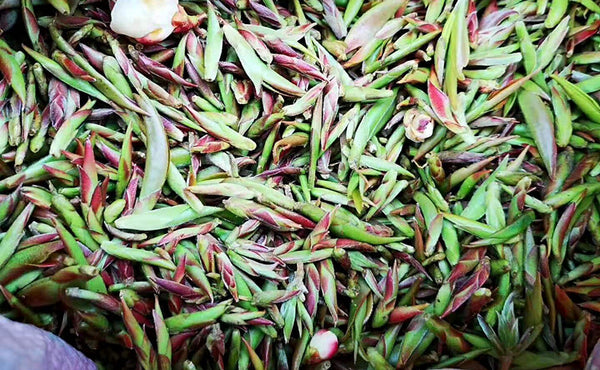
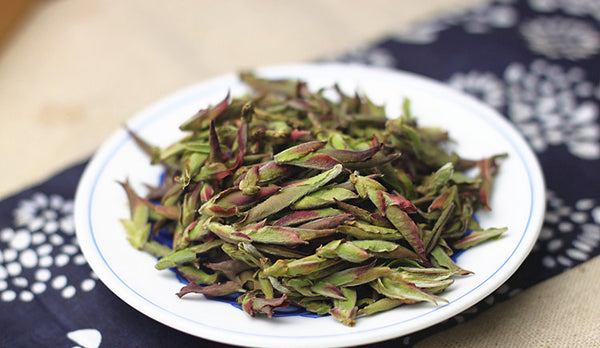
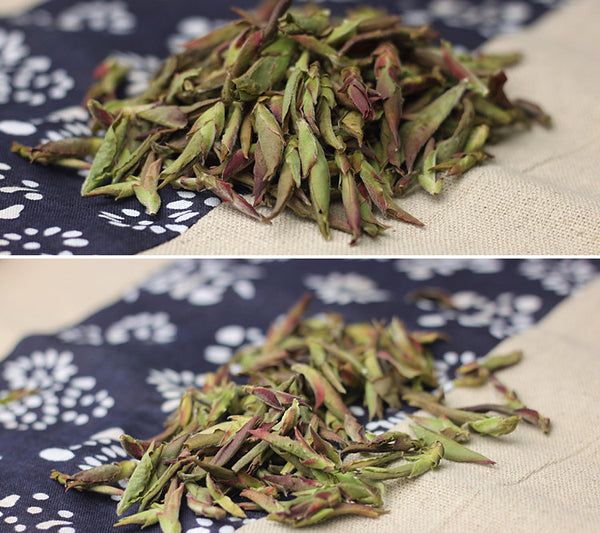
Wild Purple Bud Frühlingstee
$19.78
25,0 G
Frequently Asked Questions
I see "Purple Tea" online all the time now. How is this different from the purple tea sold by mass marketers?
This is the most important distinction in the modern tea world. Mass-market "Purple Tea" is almost always "Zi Juan" —a cultivated varietal bred in a nursery for high yield and consistent color, often resulting in a vegetal or bitter taste. Our offering is Wild Yunnan Purple Buds (Zi Ya) . These occur randomly in the wild ancient trees. They cannot be planted or farmed. This rarity means a vastly superior flavor profile—sweet, floral, and complex, versus the often harsh taste of cultivated purple teas. You are paying for nature's lottery, not a lab result.
I'm sensitive to bitterness. Will this be too strong for me?
Quite the opposite. If you have been put off by teas that turn bitter with a moment's distraction, this tea will be a revelation. The Purple Bud is structurally different from mature leaves. It contains higher concentrations of amino acids (Theanine) which create umami and sweetness, and lower concentrations of the compounds that cause bitterness. You can accidentally over-steep this tea, and it will remain sweet and smooth—a forgiving luxury for daily drinkers.
The buds are purple, but the liquor is gold. Why isn't the tea purple?
A common point of curiosity on Reddit and tea forums! The anthocyanins that color the leaf are water-soluble but are sensitive to pH and temperature. In the near-neutral pH of your water, they remain clear, yielding that brilliant, translucent gold. If you were to add a drop of lemon juice (acid) to the cooled tea, you might actually see it shift towards a pinkish hue—a fun parlor trick that proves the antioxidant power is indeed in your cup!
I bought some and want to save it for a special occasion in 5 years. How do I store it?
Excellent instinct. Treat it like a fine Puerh cake. Keep it away from the kitchen (cooking smells) and the fridge. Place it in a cool, dark, and well-ventilated cupboard, away from direct sunlight and strong odors. If it's in the original pouch, ensure it's sealed tight. Over the years, the vibrant honey and floral notes will gradually deepen into notes of aged ginseng, resin, and antique wood. You will be rewarded for your patience.
What makes Ancient Tree Black Tea Purple Bud unique compared to other black teas?
Ancient Tree Black Tea Purple Bud is unique because it is made from rare purple buds from wild, ancient tea trees in Yunnan. Its natural environment and traditional harvesting methods give it distinctive flavor and character not found in ordinary black teas.
How should I prepare and brew Purple Bud for the best flavor?
To brew Purple Bud, use a 90ml Gaiwan with 204°F (96°C) water. Rinse 5 grams of tea leaves quickly, then steep for about 10 seconds. You can enjoy up to 8-9 infusions, even when over-steeped, as it remains smooth and flavorful.
What is the origin of Purple Bud black tea and what is its cultivation environment?
Purple Bud black tea comes from wild, ancient tea trees in Lincang, Yunnan. It is harvested from fruit forests where the trees grow naturally, surrounded by rich biodiversity, including mountain flowers and wildlife, which influences its unique qualities.
How should I store Purple Bud tea to preserve its quality?
Store Purple Bud tea in a clean, ventilated area away from sunlight, in a dry place without peculiar smells or pollution. Proper storage helps maintain its freshness, aroma, and flavor over time.
What are the health or aesthetic benefits of drinking Purple Bud tea?
While the product description highlights its natural growing environment and traditional harvesting, it emphasizes the tea’s unique flavor profile and wild origins. It is appreciated for its natural purity and distinctive appearance, adding a special experience to your tea ritual.
