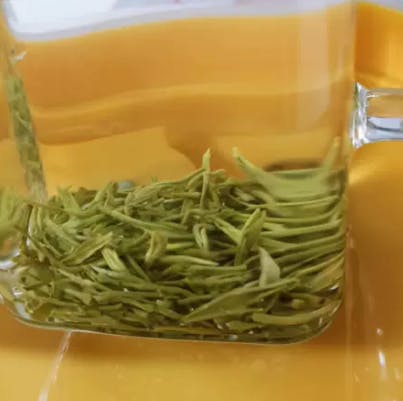




Xinyang Maojian Spring Tea
Encounter a heart-warming tea container, taking a sip or two of light and elegant tea in the middle of a busy schedule; between touch and vision, clearly comprehend heaven, earth and people of nature and ingenuity.

Frequently Bought Together
- Chinese: míng qián xìn yáng máo jiān chūn chá
- Translation: Pre-Qingming Xinyang Maojian Spring Tea
- Type: Green Tea
- Cultivar: Xinyang Maojian
- Origin: Xinyang, Henan
- Harvest Date: 2026/03/24
- Storage Methods: Refrigeration, Sealing, Moistureproof, Avoid light.
- Spring arrives early in the misty mountains of Xinyang, Henan. Before the Qingming Festival—when the first tender buds unfurl under cool fog—master pickers move swiftly through the terraced gardens, selecting only the youngest, most nutrient‑rich shoots. This is the window for Pre-Qingming Xinyang Maojian, the most prized green tea of the year.
- Xinyang Maojian (信阳毛尖), also known as Yu Maofeng, is a famous Chinese green tea produced in Xinyang, Henan Province, known for its "furry tips". This famous green tea has a history spanning over 2,300 years and is listed as one of the top 10 famous Chinese teas.
- The name ‘Mao Jian’ translates as ‘fur tips’ and it refers to the appearance of the young tea leaves when they are plucked – they are covered with tiny ‘hairs’ or ‘fur’. This rare tea is very time and labour-intensive to produce, as approximately 50,000 buds need to be plucked to make only 500 grams of finished tea. After plucking, the leaves of this Xinyang Maojian green tea are rolled and pan-fried, resulting in compact, needle-like dry leaves.
- What you’re looking at is the 2026 first flush. Every leaf in this bag is a hand‑picked “one bud, one leaf”—a standard that ensures tenderness and purity. Roll them between your fingers and you’ll feel the fine, silvery fuzz (mao) that gives this tea its name. That fuzz isn’t just beautiful; it’s packed with amino acids, delivering the savory, creamy umami that green tea drinkers chase.
- Open the pouch and you’re greeted with a clean, nutty fragrance—roasted chestnuts layered with fresh spring grass. This is Xinyang Maojian Spring Tea at its peak: vibrant jade‑green, tightly needle‑shaped, and alive with natural oils.
- We adhere to traditional pan-firing techniques to lock in the vibrant jade-green color and natural antioxidants. Whether you are a seasoned tea enthusiast or someone seeking a healthier, more mindful morning ritual, this Premium Xinyang Maojian green tea is an experience in craftsmanship.
- This is Xin Yang Mao Jian Chinese Loose Leaf Tea the way it was meant to be enjoyed: authentic, terroir‑driven, and harvested at the exact moment the tea plant gives its best.
-
Glass Cup Brewing Method:
- The ratio of Xinyang Maojian tea to water is 1:50, and a glass cup of about 300ml can pour 5g of tea.
-Pour water into the cup (the water temperature is 80~85°C), pour it slowly along the wall of the cup, and let the tea leaves fully infiltrate. The speed of water injection should not be too fast.
-Wait for 3 to 5 minutes, and you can drink the delicious green tea soup. When you drink 1/3 of the teacup, you can refill the water again, usually brew three times.
Customer Reviews
I have always liked to drink green tea. This green tea has a delicate fragrance, and it has a very strong taste after soaking it many times. It is delicious.
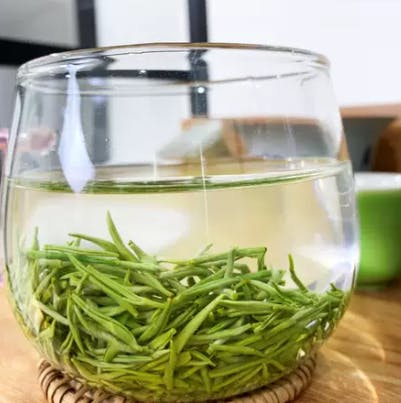
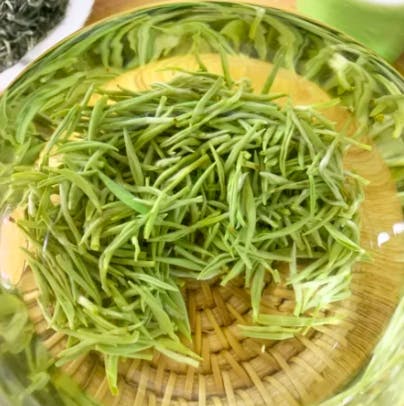
The taste of the tea is very good. After brewing, it is full-bodied and has no impurities. When you taste the tea soup, it tastes mellow and full of aftertaste. It tastes sweet but not astringent. It tastes very pure.
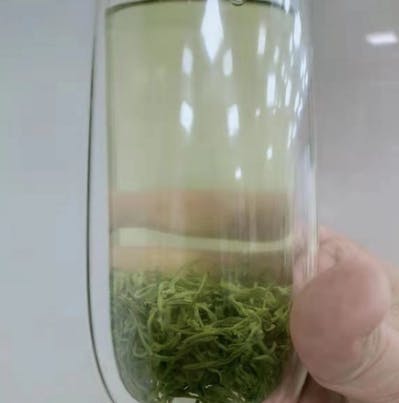
The tea leaves are fresh and tender, the taste is fragrant and sweet, the tea is fragrant, it is relatively resistant to brewing, the soup is bright, and the quality is very good! In spare time, it is also a kind of enjoyment to soak a pot with friends, taste it slowly, and chat about life!
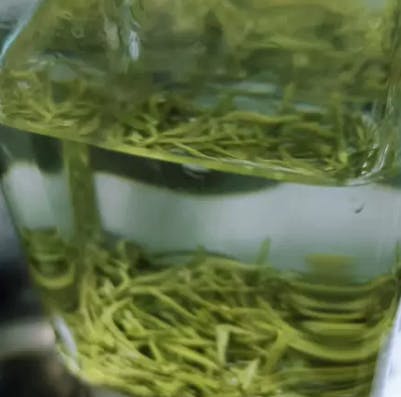
When you open the package, you can smell the aroma of tea leaves. The dry tea looks good and is easy to brew. After soaking in 85-degree water, the soup color is clear and bright, and the taste is silky and mellow. It is not astringent in the mouth and has a sweet aftertaste.
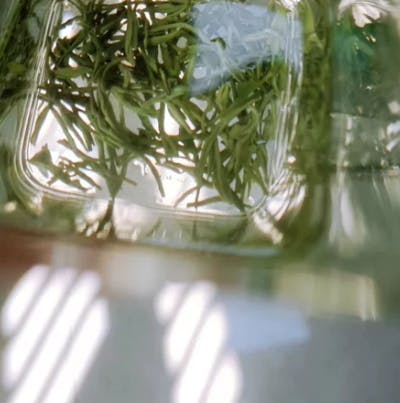
The Maojian green tea has been received. The tea leaves look bright in color, uniform in size, free of impurities, and look very refreshing. The brewed tea is fragrant and smells very good. It makes people drink endless aftertaste, and the tea soup is rich in color. And the whole feeling is great value.